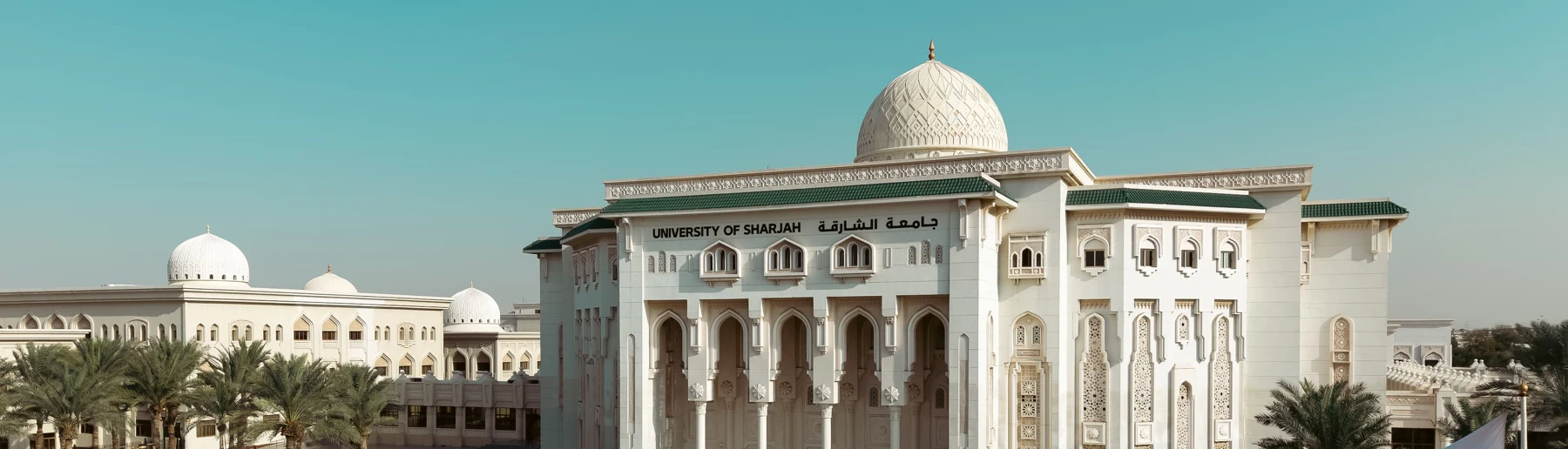
KNOWLEDGE. CULTURE. POSSIBILITY.
Sharjah. A civilization of learning.
A university can change a student’s future. A culture of learning can change the possibilities of an entire society. Explore the institutions, places and ideas that connect education with the identity of Sharjah.
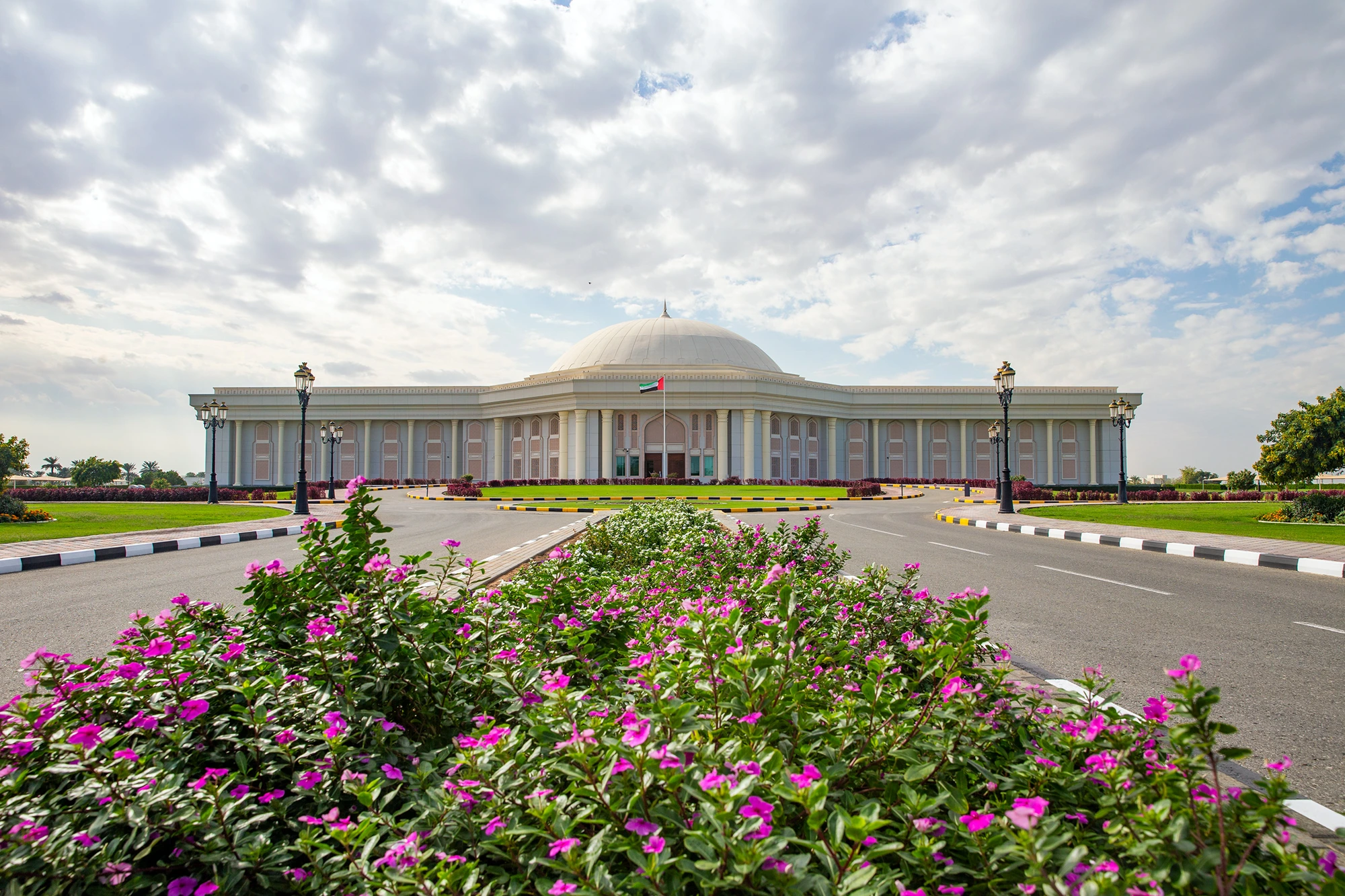
An independent editorial perspective by Gabriel Nicolaev – CyGuru · Sources reviewed 1 November 2026. No government or institutional endorsement is implied.
01
A public life shaped by knowledge.
The story of education in Sharjah reaches beyond the classroom. A library gives a family somewhere to read together; a museum creates an encounter with evidence; a university gives a question the time, equipment and intellectual community it needs. Seen together, these places form a landscape in which knowledge can be encountered at different ages and through different languages.
This is the editorial premise of Sharjah Education: to make those connections easier to understand. A useful guide should help a parent identify the right campus, a student distinguish programmes and a visitor discover where cultural curiosity can become a learning experience. The value lies in a clearer next step, supported by an identifiable source.
02
Books belong in the city’s future.
UNESCO’s designations provide two documented milestones: Sharjah was named Cultural Capital of the Arab World in 1998 and World Book Capital for 2019. The 2019 programme connected reading with community participation, heritage, young people and publishing. These are historical designations, not a current ranking of education systems.
For this platform, that history suggests a practical responsibility. Culture should be discoverable alongside formal study: a family exploring schools should also be able to find libraries and museums; a student exploring research should be able to see opportunities for public discussion and creative work. Our Culture & Knowledge collection begins to connect these settings, with a separate source-backed profile for each place.
03
Different institutions. Distinct contributions.
University of Sharjah and American University of Sharjah both trace their establishment to 1997. The University of Kalba was established in 2023. Shared geography does not make their educational identities interchangeable. Our three featured institutional portraits examine research organisation, the relationship between breadth and specialisation, and a sport-science pathway on the East Coast.
The selection is editorial, not a league table. It does not imply that these institutions endorse this initiative or that other institutions matter less. Its purpose is to demonstrate the level of distinction a serious public guide should make: explain what is particular, link the evidence and leave the final academic decision with the student and institution.
THREE INSTITUTIONAL PERSPECTIVES
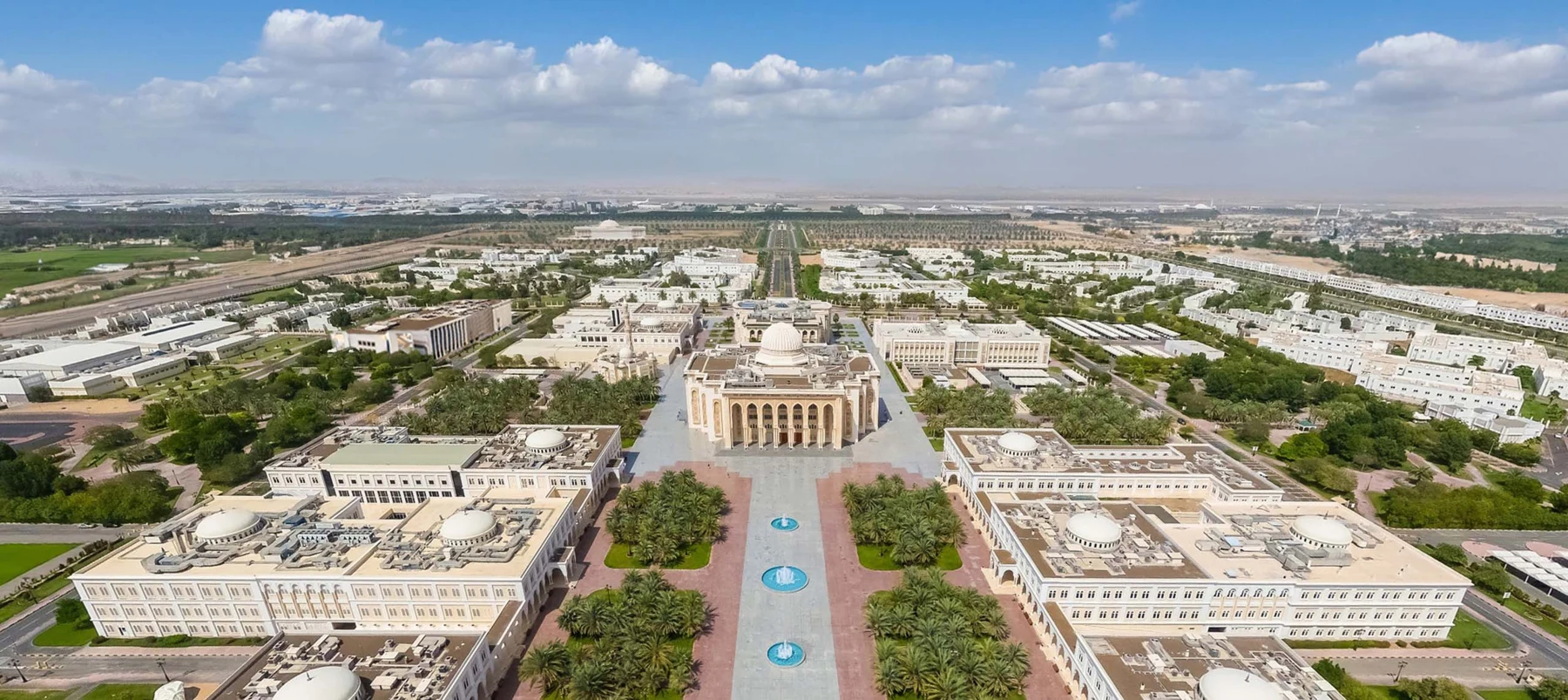
American University of Sharjah
Breadth, specialisation and public relevance
Read the expanded portrait ↗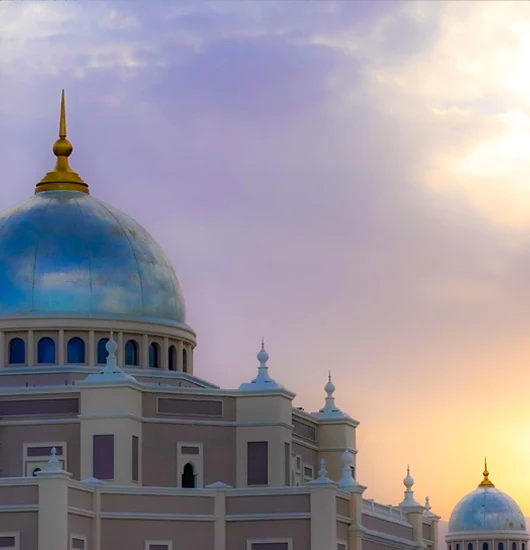
University of Kalba
An East Coast pathway with sport science at its heart
Read the expanded portrait ↗04
A landscape with more than one centre.
A guide to Sharjah must make room for the city, the central region and the East Coast. An institution’s location changes the questions a family needs to ask: the journey to campus, the feasibility of daily travel, access to a particular programme and the relationship between study and the surrounding community.
Explore the existing portraits of the universities of Al Dhaid, Kalba and Khorfakkan alongside institutions in University City. The education map separates searchable directory entries from institutions with a sourced location reference. Where a group website points to another branch, the platform records the uncertainty instead of placing a convincing but unsupported pin. Geographic coverage should be earned through verification.
05
The next contribution is practical.
The platform already brings institutional profiles, parent guides, cultural resources and student opportunities into one bilingual publication. Its next proposed step is a bounded institutional pilot: improve a defined sample, resolve critical identity discrepancies and test whether readers can reach the right information more easily.
The proposed 90-day programme gives this ambition an operational form. It specifies who reviews facts, what a completed record contains, how Arabic and English are reconciled and which results would justify continuing. No institution has been enrolled by appearing on this website. Participation, permissions and any funding would require a separate written agreement.
OUR DIRECTORY · COVERAGE SNAPSHOT
Show the evidence. Show its limits.
136school records
11university & academy profiles
12nursery profiles
51sourced map references
Platform coverage as reviewed 1 November 2026, not an official census of the emirate. The directory contains 159 institutions; 108 remain without a confirmed plotted reference. These figures describe records, not educational outcomes, inspection results or institutional participation.
Explore the underlying records ↗