A place in Sharjah’s knowledge landscape
The museum authority dates Sharjah Science Museum’s opening to April 1996 and describes interactive exhibits, experiments and demonstrations. Its published account includes physical phenomena such as electricity, thermal physics and aerodynamics. The museum’s own page establishes the current visitor information. The availability of a particular demonstration, workshop or group arrangement should be confirmed for the planned visit, not assumed from a general description.
What a learner can investigate
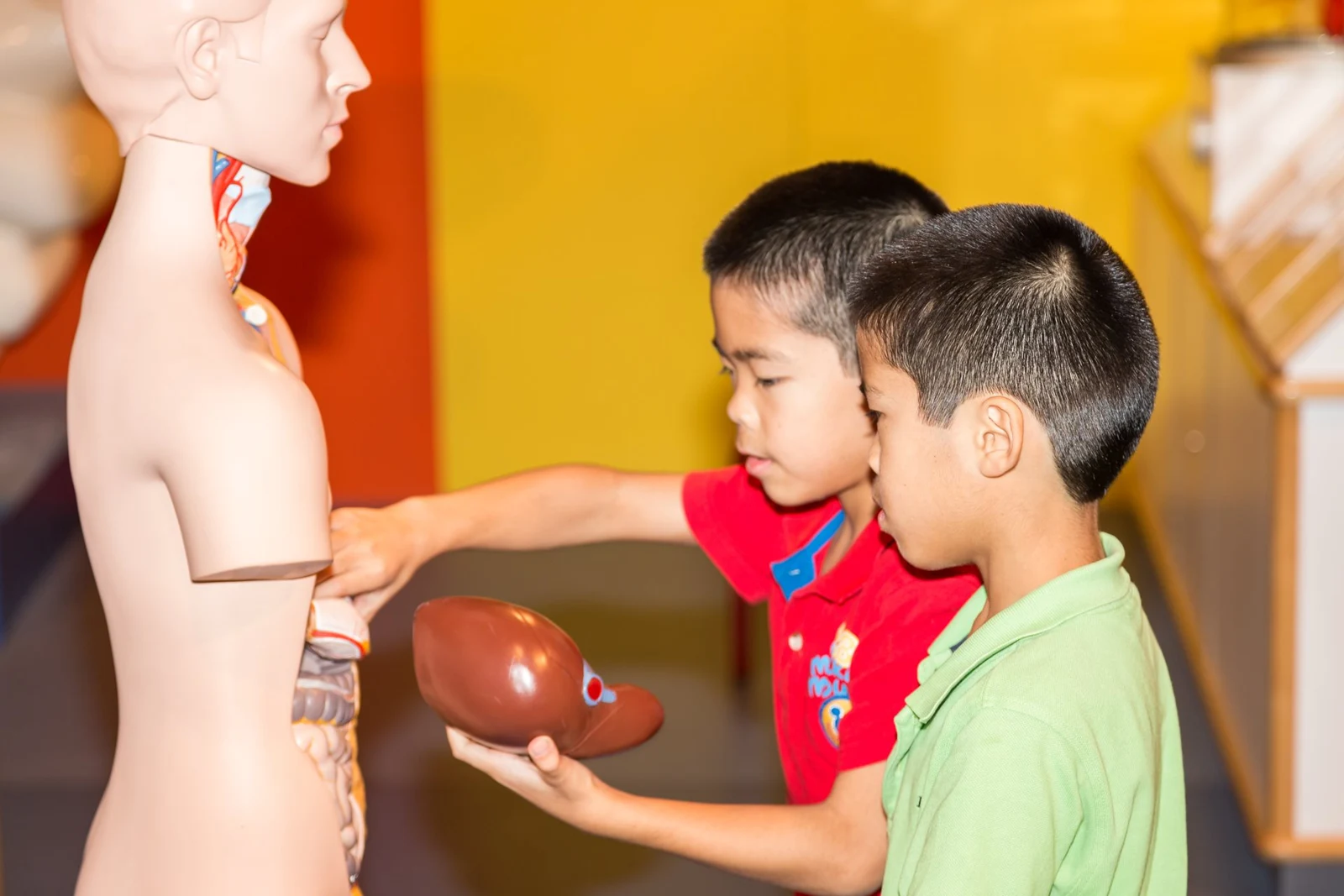
An interactive exhibit becomes educational when a learner can explain a prediction and revise it after observation. Encourage a child to say what they expect before using a display. Afterwards, ask what changed, what stayed the same and whether a second test might produce a different result. The sequence matters more than pressing every button in the building.
Older students can discuss the limits of a model. Which feature of a real system does an exhibit represent, and which does it simplify? A dramatic demonstration can attract attention without answering every scientific question. Distinguishing a useful model from the full complexity of the world is a valuable lesson for science, engineering and everyday claims about technology.
An independent learning route
Independent learning route: choose one question, record a prediction, observe the exhibit and write an explanation using the evidence available. If the outcome differs from the prediction, explain which assumption may need revision. Back at home or school, find a related everyday example and identify one further question.
A group organiser should contact the museum about age, language, accessibility, supervision and any requested demonstration. Use the official visitor information for current opening and ticket arrangements. Follow the venue’s instructions rather than attempting an improvised experiment with museum equipment. The suggested learning route is editorial guidance and does not imply a booked museum programme.
Plan around a clear learning purpose.
Define the age group, subject, language, visitor number and intended outcome, then ask the venue about access, booking, current hours and charges. A description of collections or facilities does not establish unrestricted availability to every visitor.
Before a visit, prepare a question; during it, gather observations; afterwards, discuss what changed in the learner’s understanding. A teacher can connect the experience to a small classroom task with clear evidence. These suggestions are not booked institutional programmes or existing collaboration agreements.
Original references.
Last checked: 31 October 2026. Confirm changing visit details directly.